

What is Thyroid?
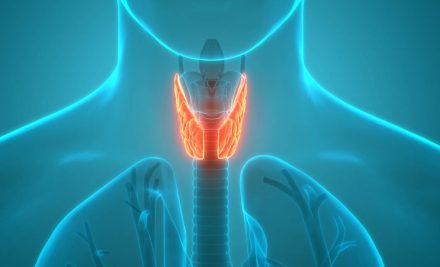
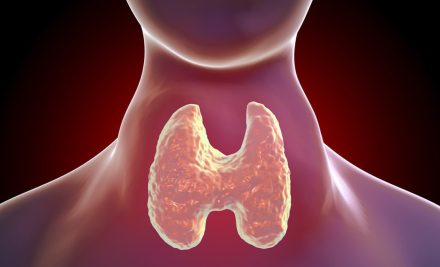
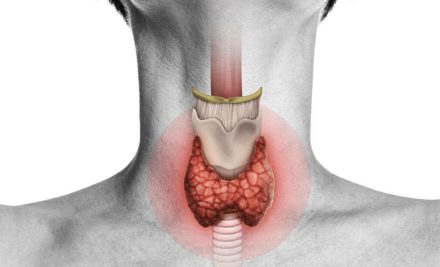
The thyroid is a butterfly-shaped, two-lobed gland just below the Adam’s apple. It produces hormones called thyroxine (T4) and triiodothyronine (T3). These hormones control energy production processes by regulating the body’s metabolism, growth and development. Thyroid disorders can cause serious problems in the body and can negatively affect many different systems if left untreated.
Thyroid Gland and Duties
The thyroid gland is part of the endocrine system and is an important organ that controls the rate of metabolism. This gland regulates the body’s use of energy by producing T3 and T4 hormones. The production of thyroid hormones is controlled by the pituitary gland. It also directly affects many functions such as heart rate, weight gain, cholesterol levels, menstrual cycle.

Thyroid Diseases
Thyroid diseases are diseases that develop due to dysfunction of the thyroid gland. In addition to disorders such as underactive thyroid (hypothyroidism) or overactive thyroid (hyperthyroidism), thyroid cancer is also a serious problem.
Hypothyroidism It is a condition caused by inadequate functioning of the thyroid. It manifests itself with symptoms such as fatigue, weight gain, depression, constipation, hair loss and sensitivity to cold.
Hyperthyroidism: In this condition where the thyroid is overactive, metabolism is accelerated. Symptoms such as sudden weight loss, irritability, sweating, heart palpitations and tremors may occur.
Goiter: It occurs with the enlargement of the thyroid gland. Iodine deficiency is one of the most common causes of goitre. Goitre, which is more common in women, manifests itself with swelling in the neck, difficulty swallowing and breathing difficulties.
Thyroid Cancer: It develops as a result of thyroid cells turning into cancer. It occurs with symptoms such as swelling in the neck, lump, shortness of breath and hoarseness. The treatment is mostly performed by surgery and then radioactive iodine treatment can be applied.
Thyroid Diseases
Frequently Asked Questions
Thyroid diseases include problems caused by the thyroid gland producing too much or too little hormone. Frequently asked questions include hyperthyroidism, hypothyroidism, goitre, treatment methods and symptoms. It is recommended to consult an endocrinologist for correct diagnosis and treatment.