


Thyroid Diseases and Treatment
The thyroid gland is a butterfly-shaped gland located in the front of the neck, in front of the larynx and trachea. Thyroid hormone is an important hormone that affects the body’s metabolic rate and the physical development of children. The thyroid gland consists of right and left lobes, which are connected by a connecting part called the “isthmus”. Sometimes there is also a part called the “pyramidal lobe”.
Terminology and Classification
Goiter: An enlargement of the thyroid gland other than cancer or inflammation. If the growth is widespread throughout the gland tissue, this is called “diffuse goiter”.
Thyroiditis: Inflammation of the thyroid gland.
Thyroid Cancer: Cancer of the thyroid gland.
In addition to the enlargement of the gland, thyroid diseases are also classified according to the level of thyroid hormone secreted:
- Euthyroid: Thyroid hormone levels are normal.
- Hypothyroid: Thyroid hormone levels are low.
- Hypertroid: Thyroid hormone levels are high.
Nodules are also an important part of thyroid diseases. A single nodule is called “nodular goiter” and more than one nodule is called “multinodular goiter”.
How Does the Thyroid Gland Work?
The pituitary gland in the brain releases TSH (Thyroid Stimulating Hormone) in response to signals from other parts of the body. TSH reaches the thyroid gland through the blood and stimulates the secretion of the hormones T3 and T4. Iodine is needed for thyroid hormone production; this substance is taken in through food. Iodine deficiency can lead to hypothyroidism, while too much iodine can cause various health problems.
Why does goiter occur?
Inadequate iodine intake leads to enlargement of the thyroid gland. Iodine deficiency is caused by a lack of materials necessary for the production of thyroid hormone. In this case, the thyroid gland overworks and enlarges due to the production of TSH. Iodine deficiency can also lead to nodular goiter.
Symptoms of Thyroid Hormone Disorders
Hypothyroidism (decreased hormones): Slows down body metabolism and retards physical and mental development in children. Mental retardation, tendency to depression, weakness, intolerance to cold, obesity, constipation, hoarseness, menstrual irregularities are among the symptoms of hypothyroidism.
Hypertrophy (increased hormone): It speeds up metabolism and often causes weight loss. Symptoms of hypertrophy include irritability, hot and clammy skin, weight loss, trembling hands, enlarged eyes and sensitivity to bright light.
Thyroid Nodules
Thyroid nodules are space-occupying lesions in the thyroid gland that are different from normal thyroid tissue. Nodules can be benign or malignant. Cancer can be found in 5% of nodules detected by ultrasound. In some cases, thyroid nodules may cause compression complaints.
Thyroid Biopsy
In thyroid nodules, a biopsy is performed to determine whether the nodule is benign or malignant. Fine needle aspiration biopsy is planned according to the characteristics of the nodule. Patients are followed up or referred for surgery according to the biopsy results.
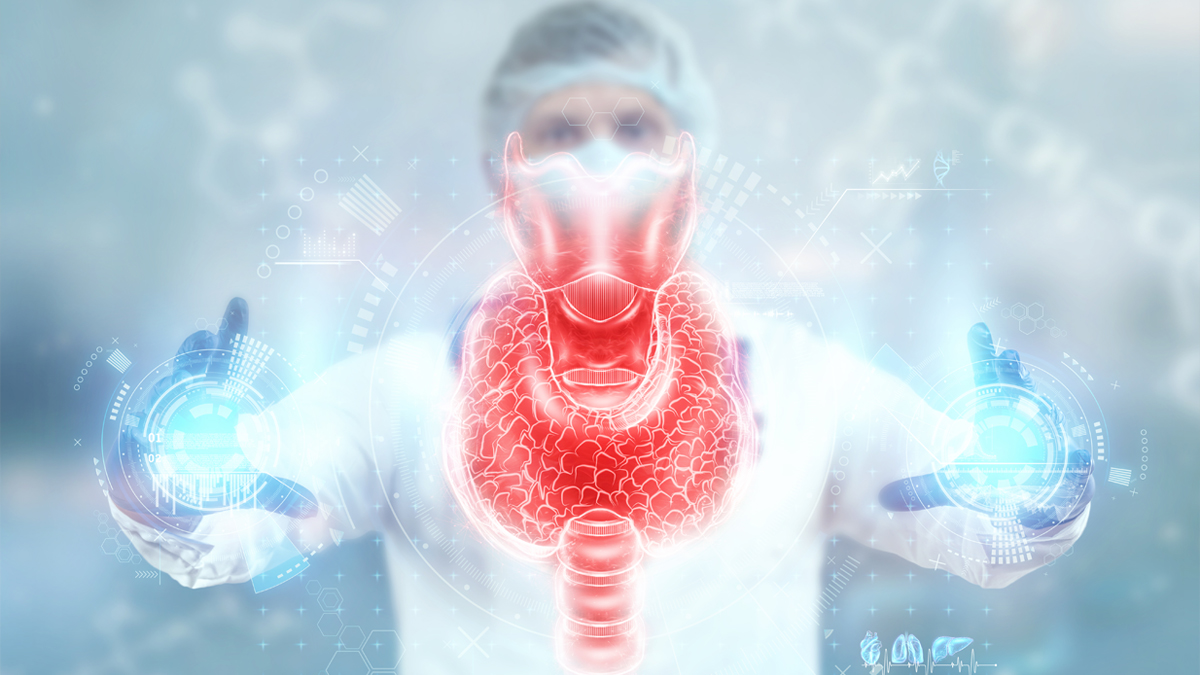
Thyroid Surgery
Thyroid cancer or large nodules are among the conditions that require surgical intervention. The operations are performed under general anesthesia and part or all of the thyroid gland is removed.
Types of Surgery:
- Total Thyroidectomy Removal of the entire thyroid gland.
- Subtotal Thyroidectomy: Removal of the rest of the thyroid, leaving some thyroid tissue.
- Lobectomy: Removal of a single lobe.
Postoperative Complications
Complications after thyroid surgery include hematoma (bleeding), hoarseness, and calcium deficiency. Hoarseness can be caused by damage to the nerves next to the thyroid gland.
Conclusion
Thyroid diseases are important health problems that require effective treatment and regular follow-up. Paying attention to iodine intake, monitoring thyroid hormone levels and performing surgical interventions when necessary play a critical role in maintaining the health of patients. To protect your thyroid health, you should consider regular check-ups and appropriate treatment methods.
Related posts