


Thyroid Disease Symptoms, Causes and Treatment Methods
Thyroid Gland Diseases
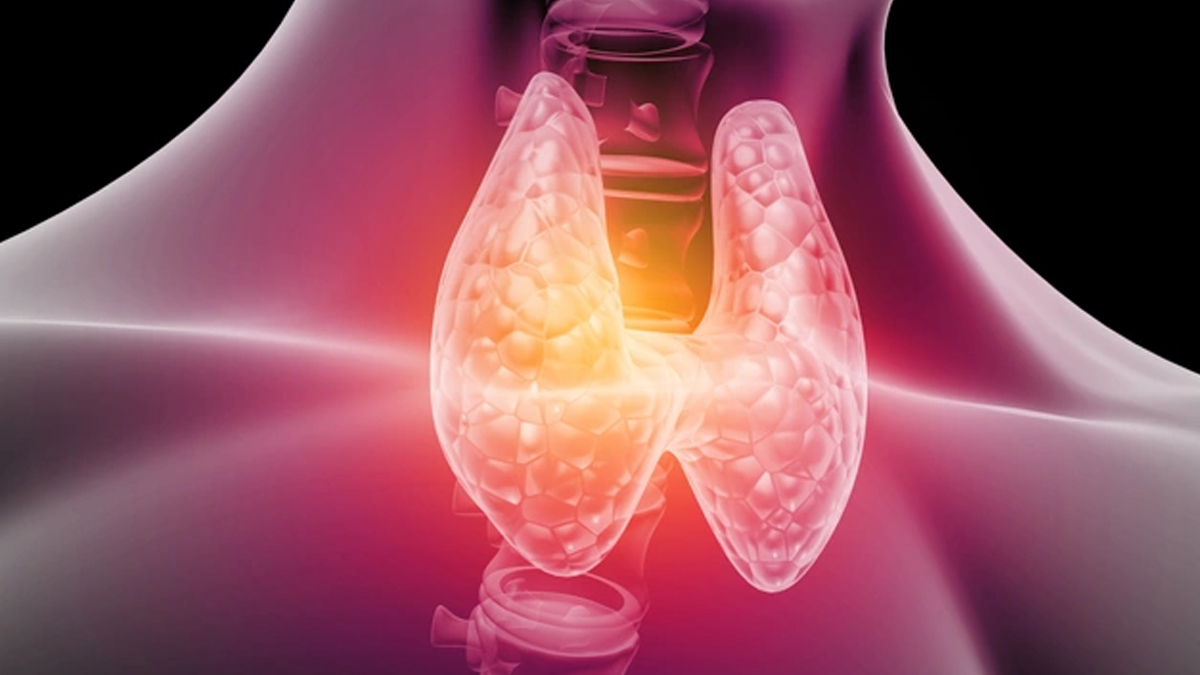
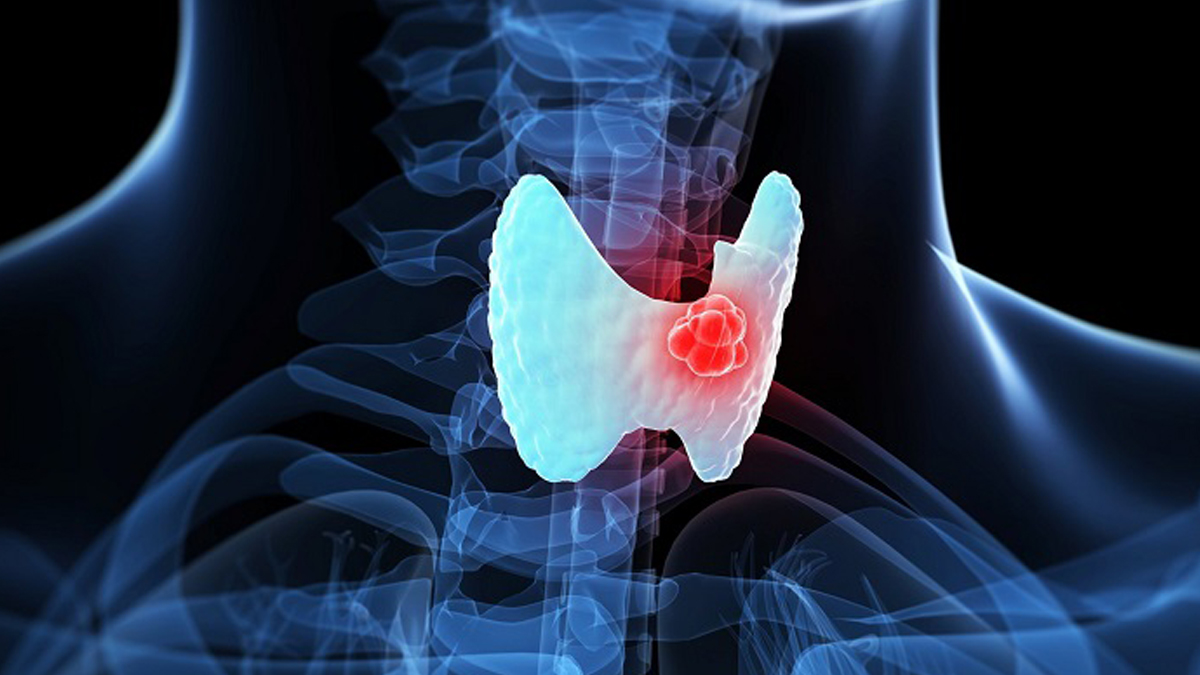
The thyroid gland is an important endocrine organ in the shape of a butterfly, located in the front of the neck on either side of the windpipe. Diseases of the thyroid gland are commonly known as “goitre”. Diseases of this gland include conditions such as nodules, hypothyroidism, hyperthyroidism and thyroid cancer. Thyroid cancer, in particular, is a common type of cancer in the community and can be treated with early diagnosis.
Symptoms of Thyroid Disease
Symptoms of thyroid disease vary depending on whether the thyroid gland is under- or overactive. Common symptoms include:
- Weakness, fatigue
- Palpitations
- Hair loss
- Weight gain or excessive weight loss
- Tremor in the hand
- Outward growth of the eyes
- Swelling in the neck, shortness of breath, feeling of pressure
- Irritability
- Menstrual irregularity
- Hoarseness
- Inability to conceive
Hypothyroidism (Thyroid Hormone Deficiency)
Hypothyroidism is an underactive thyroid gland. The most common cause is Hashimoto’s thyroiditis, an autoimmune disease. A lack of thyroid hormones slows down the body’s work rate, leading to the following symptoms:
- Weakness, fatigue
- Weight gain, body swelling
- Hair loss
- Constipation
- Dry skin Menstrual irregularity
Treatment is usually with thyroid hormone medication taken by mouth.
Hyperthyroidism (Thyroid Hormone Excess)
Hyperthyroidism is an overproduction of hormones by the thyroid gland. The most common causes are Graves’ disease and toxic nodular goiter. Symptoms include:
- Weight loss despite increased appetite
- Sweating
- Hand tremors
- Heart palpitations
- Restlessness, sleep disorders
- Increased bowel movements
Treatment can be done with surgery or radioactive iodine therapy.
Thyroid Gland Nodules
Nodules that develop in the thyroid gland are seen in 4% of the population and can turn into cancer in 5% of cases. A biopsy is performed according to the size and characteristics of the nodule and surgical treatment is applied when necessary.
Thyroid Cancer: Symptoms and Treatment Methods
Thyroid cancer is a common type of cancer, especially in women. In Turkey, the prevalence of thyroid cancer in women is second only to breast cancer. Types of thyroid cancer include papillary, follicular, medullary and anaplastic cancers. Papillary and follicular cancers respond well to treatment, while anaplastic and medullary cancers are more aggressive.
Symptoms of Thyroid Cancer:
- Swelling in the neck
- Hoarseness
- Difficulty swallowing
- Shortness of breath
- Persistent cough
- Risk Factors:
- Receiving radiation in childhood
- Family history of thyroid disease
- Female gender
- Asian origin
Thyroid Cancer Treatment
Surgical intervention is usually performed in the treatment of thyroid cancer. Radioactive iodine treatment can be applied after surgery. The treatment success rate is quite high with early diagnosis.
Thyroid Gland Ultrasonography
Thyroid ultrasound is a simple and painless imaging method used to examine the size, texture and nodules of the thyroid gland. Ultrasonography is especially important for determining the size of nodules and their structures that carry cancer risk.
Thyroid Fine Needle Aspiration Biopsy (FNAB)
This biopsy method, which is used to determine whether thyroid nodules are cancerous or not, is usually performed under ultrasound guidance. A highly reliable method, TIAB is a procedure that usually does not require local anesthesia.
Thyroid Scintigraphy and Radioactive Iodine Therapy
Thyroid scintigraphy is used to determine whether thyroid nodules are “hot” (active) or “cold” (hypoactive). Cold nodules have a higher risk of cancer. Radioactive iodine therapy is used to treat thyroid cancer, destroying any remaining thyroid tissue.
Related posts