


What is Thyroid?
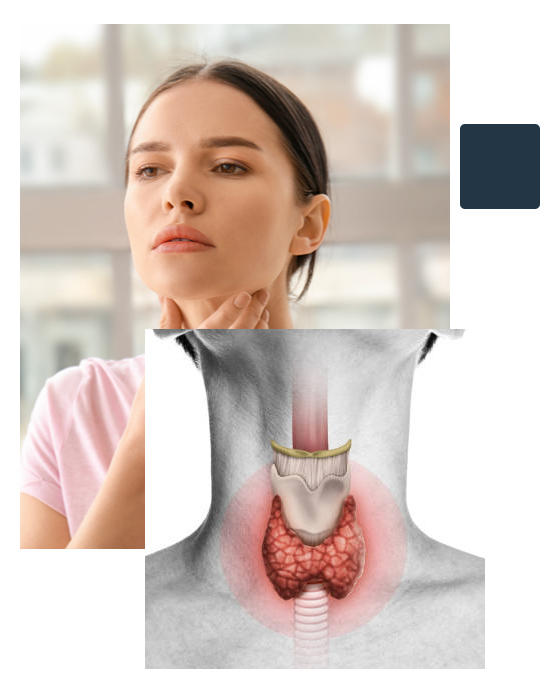
The thyroid is a butterfly-shaped, two-lobed gland just below the Adam’s apple. It produces hormones called thyroxine (T4) and triiodothyronine (T3). These hormones control energy production processes, regulating the body’s metabolism, growth and development. Thyroid disorders can cause serious problems in the body and, if left untreated, can negatively affect many different systems.
Thyroid Gland and its functions
The thyroid gland is part of the endocrine system and is an important organ that controls the rate of metabolism. This gland regulates the body’s use of energy by producing the hormones T3 and T4. The production of thyroid hormones is controlled by the pituitary gland. It also directly affects many functions such as heart rate, weight gain, cholesterol levels, menstrual cycle, etc.
Thyroid
What are Thyroid Gland Diseases


Thyroid Treatment
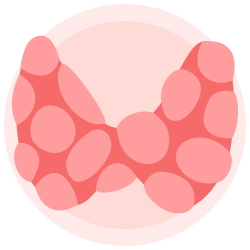
The thyroid gland is a small, butterfly-shaped organ located in the front of the neck, just below the larynx. It produces hormones that regulate the body’s metabolism and control many important functions. The main hormones are Thyroxine (T4) and Triiodothyronine (T3). These hormones manage energy production, temperature regulation, heart rate, digestion and many other important processes in the body.
Treatment of Thyroid Diseases
Thyroid diseases are usually diagnosed with blood tests and imaging methods such as ultrasound. Treatment methods vary depending on the type and severity of thyroid disease.
Curiosities About Thyroid
Frequently Asked Questions
Thyroid diseases include problems caused by the thyroid gland producing too much or too little hormone. Frequently asked questions include hyperthyroidism, hypothyroidism, goitre, treatment methods and symptoms. It is recommended to consult an endocrinologist for correct diagnosis and treatment.