


Thyroid Nodule
What is Thyroid Nodule?
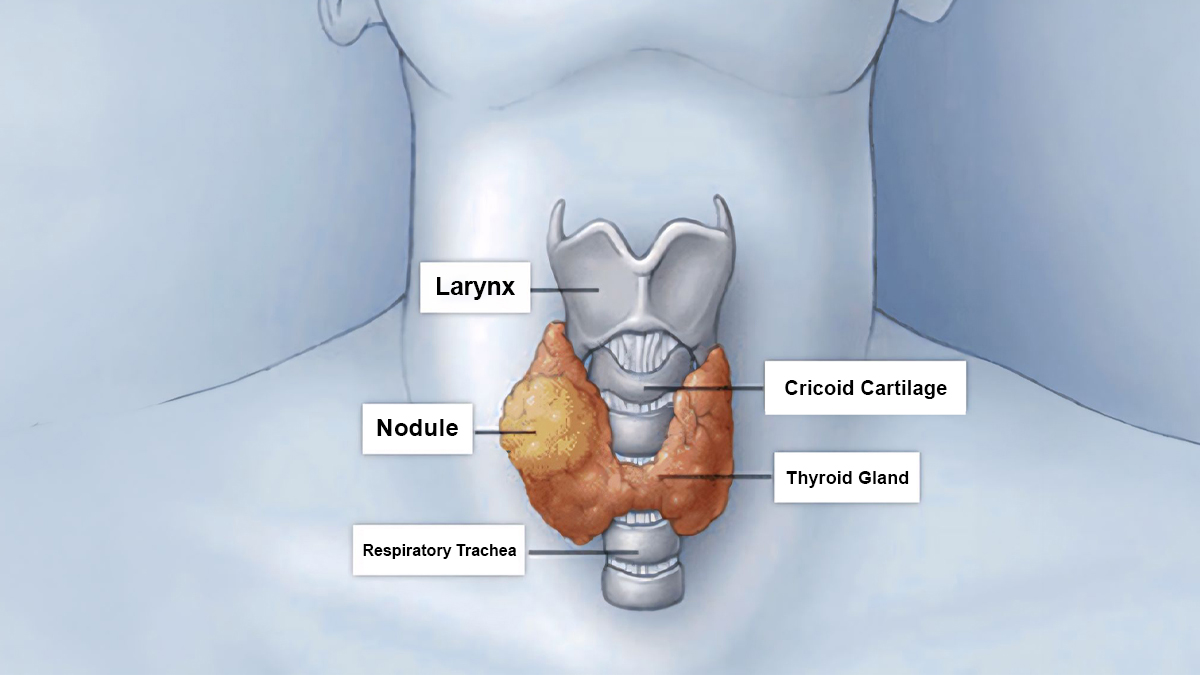
Thyroid nodules are abnormal masses that form in the thyroid gland. These nodules can be of different sizes and consist of cells that do not resemble thyroid tissue. They are quite common in the community. Especially with the widespread use of ultrasonography scans, the incidence of thyroid nodules varies between 30% and 50%. Nodule formation increases with age, radiation exposure and iodine deficiency in women. The majority of thyroid nodules are benign, but some nodules may carry cancer risk. Therefore, the correct diagnosis and treatment process is critical.
What are the Symptoms of Thyroid Nodule?
Thyroid nodules usually do not cause obvious complaints. They are often detected incidentally during a medical examination or ultrasonography. However, in some cases, patients may experience the following symptoms:
- Swelling in the neck,
- Shortness of breath,
- Difficulty swallowing,
- Hoarseness (rarely in large nodules),
- Usually thyroid hormone levels are normal.
Diagnosis and Treatment Methods of Thyroid Nodules
The basic steps followed in the diagnosis of thyroid nodule are as follows:
- Clinical Assessment: Patient’s complaints and physical examination of the nodule.
- Ultrasonography: The nodule is evaluated in terms of its size, structure and the possibility of cancer. Ultrasound provides information about the number of nodules and whether they have malignant features.
- TSH Test: Thyroid hormone levels are evaluated.
- Fine Needle Aspiration Biopsy (FNAB): Cell samples are taken from nodules with suspected cancer by needle biopsy and sent to the laboratory. The results may be benign (benign), malignant (malignant) or suspicious. Needle biopsy is the most reliable method to determine whether thyroid nodules are malignant.
For detailed information about the diagnosis and treatment of Thyroid Nodule, you can visit the article “How is Thyroid Nodule Diagnosed?“.
Thyroid Nodule Treatment
If the thyroid nodule is benign, medication is usually not needed and the nodule is monitored at regular intervals. However, surgical treatment may be considered in the following cases:
- If the nodule causes cosmetic problems or compression symptoms (hoarseness, difficulty swallowing, etc.),
- If the nodule shows growth,
- Surgery may be deemed necessary according to the patient’s request. In malignant thyroid nodules, surgical treatment is considered as the first option. Surgical intervention may also be preferred in case of suspicious results.
Nodules with High Cancer Risk
In some cases, thyroid nodules have a higher risk of becoming cancerous. For example:
- Children under 14 years of age,
- Patients who have previously undergone radiotherapy to the neck area,
- The risk of cancer is higher in solitary nodules seen in men than in women,
- Hard and rapidly growing nodules that are adherent to the surrounding tissue are suspicious for cancer. In addition, the risk of cancer may increase in nodules that cause hoarseness.
Conclusion
Although thyroid nodules are common, the detection and treatment of nodules with malignancy risk is of great importance. Under the control of a specialist physician, regular follow-up of thyroid nodules and, if necessary, making the correct diagnosis by biopsy is critical for the patient’s health.
Related posts