


What are Thyroid Gland Diseases and How Are They Treated?
Thyroid gland diseases are disorders that occur when the thyroid gland does not function properly. This gland plays an important role in regulating metabolism and affects the function of many organs in the body. Thyroid disorders are more common in women and can lead to serious health problems if left untreated. In this article, you will find detailed information about thyroid diseases, symptoms and treatment methods.
What is Thyroid?
The thyroid is a gland located under the chin that secretes hormones (T3 and T4) that control metabolism. Although small, it ensures the proper functioning of many vital functions in the body. Important processes such as heart rate, body temperature and energy production are regulated by thyroid hormones. In addition, if the thyroid gland is not working properly, it can lead to many disorders, such as weight gain or loss, fatigue and hair loss.
How Does the Thyroid Gland Work?
The functioning of the thyroid gland is regulated by the hormone TSH, which comes from the pituitary gland in the brain. By releasing TSH, the pituitary gland initiates the thyroid’s production of hormones. These hormones play an important role in regulating metabolism and strengthening the immune system. The thyroid gland also supports children’s growth and brain development.
What are Thyroid Diseases?
Over- or underactive thyroid gland can cause different health problems. Thyroid diseases are generally divided into two:
- Hyperthyroidism: Characterized by overproduction of thyroid hormones. Symptoms include heart palpitations, sweating, weight loss, irritability and hair loss.
- Hypothyroidism: Insufficient production of thyroid hormones. It manifests itself with symptoms such as weight gain, fatigue, dry skin, hair loss and constipation.
Benign Thyroid Diseases
One of the most common benign thyroid diseases is goiter. Defined as an enlargement of the thyroid gland, this condition occurs when the gland grows inward or outward. Thyroid nodules are also a common cause of goiter. These nodules, which are usually benign, may not require surgical intervention and can be controlled with medication. Autoimmune thyroid diseases such as Hashimoto’s disease are also benign.
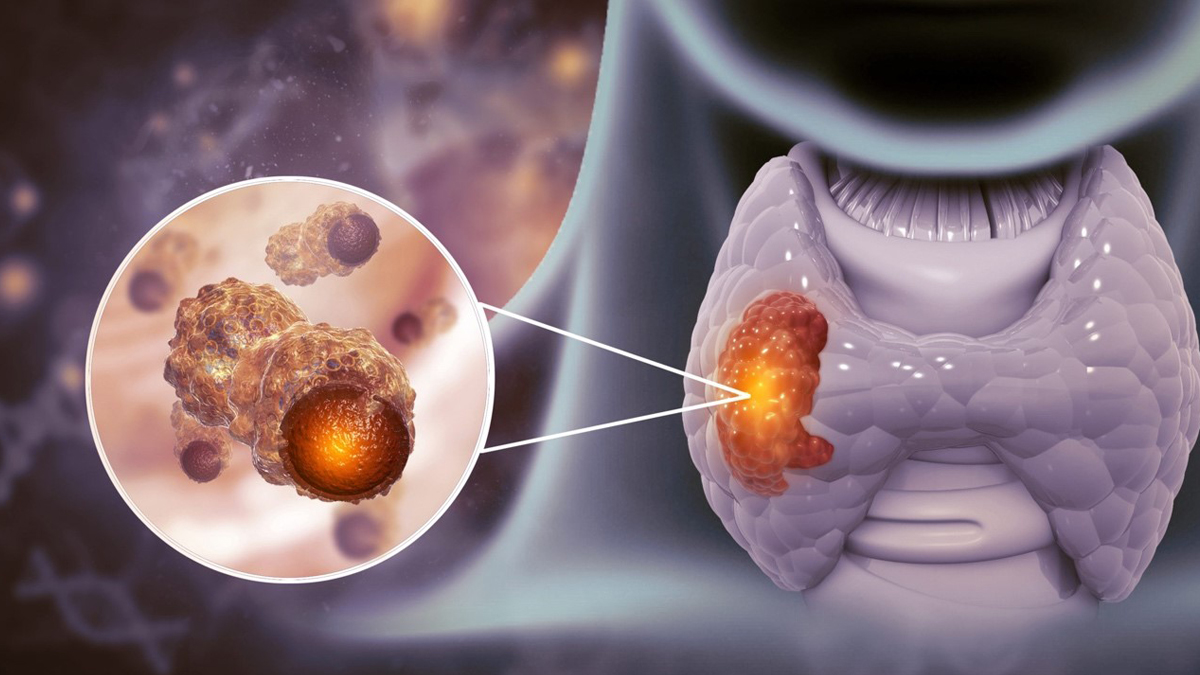
Malignant Thyroid Diseases
Thyroid cancer is the most common malignant disease of the thyroid gland. Thyroid cancers are usually divided into two main types: papillary and follicular. Both types are treatable with early diagnosis. Symptoms of thyroid cancer include swelling in the neck, difficulty swallowing and shortness of breath. Surgical intervention, medication and radioactive iodine therapy are the most commonly used methods in cancer treatment.
Who is at Risk?
People who are predisposed to thyroid diseases include genetic factors, iodine deficiency, exposure to radiation and long-term use of certain medications. People with a family history of thyroid disease, those living in iodine-deficient areas and smokers are at risk of developing thyroid diseases.
Thyroid Diagnosis and Treatment
Blood tests, ultrasonography and biopsy are used to diagnose thyroid diseases. Measuring hormone levels, examining nodules in the thyroid gland and performing a biopsy if necessary are important for diagnosis. Imaging methods such as thyroid scintigraphy help to determine whether the nodules are benign or malignant.
Iodine (Atom) Therapy
Iodine therapy is an effective method used in cases where the thyroid gland is overactive and in the treatment of thyroid cancer. Radioactive iodine stops the thyroid cells from overworking, allowing them to return to normal hormone levels. After this treatment, it is recommended that the patient rest for a few days and drink plenty of water.
Thyroid Surgery
Thyroid surgery is performed to remove tumors or nodules in the thyroid gland. There is a risk of damage to the vocal cords during surgery, but modern surgical techniques minimize this risk. Postoperative recovery is usually fast and the vocal cords return to normal function in a short time.
Conclusion
Thyroid diseases can lead to serious health problems if left untreated. Early diagnosis and appropriate treatment methods can be effective in controlling thyroid diseases. If you are experiencing symptoms of thyroid disease, you should definitely consult a doctor and have the necessary tests done.
Related posts